On 26 December 2025, President Shavkat Mirziyoyev delivered his Address to the Oliy Majlis and the people of Uzbekistan. Experts of the Center for Economic Research and Reforms (CERR) conducted a linguistic content analysis of the President’s speech.
The analysis was carried out using modern linguistic methods and is aimed at identifying semantic priorities, key concepts and their connections. A word cloud and diagrams were also prepared to visually demonstrate the priority directions of state policy.
Analysis (from the original language)
In total, the President used 9,135 words in his Address. The creation of a word cloud made it possible to visualize the most significant themes and gain a deeper understanding of the priorities and directions of the country’s socio-economic development.
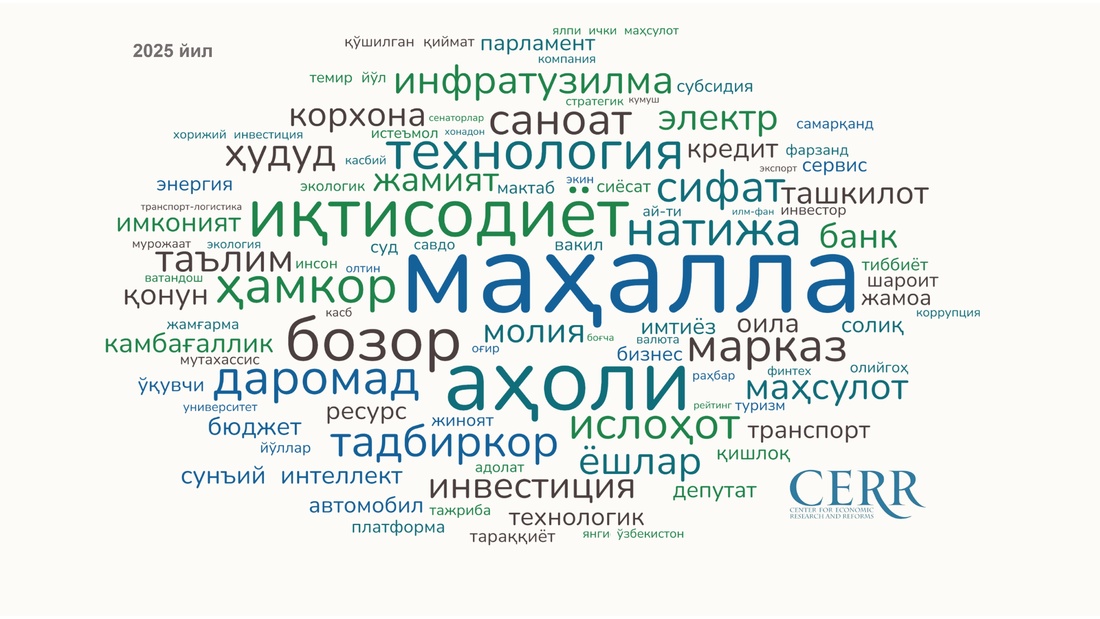
Figure 1. Most frequently used words in the President’s Address (26.12.2025)
The linguistic analysis showed that the most frequently used key words included “mahalla” – 49 times, “aholi” (population) – 35 times, “iqtisodiyot” (economy) – 28 times, “bozor” (market) – 26 times, “loyiha” (project) – 25 times, and “technology” – 22 times (Fig. 1).
Words such as “ta’lim” (education), “natija” (result) and “daromad” (income) were each used 20 times; “tadbirkor” (entrepreneur) and “sanoat” (industry) – 19 times each; “suv” (water) – 18 times; “elektr” (electricity) and “hudud” (territory) – 17 times each; “yoshlar” (youth), “infratuzilma” (infrastructure) and “qurilish” (construction) – 16 times each.
The analysis of two-word expressions showed that the phrase “Markaziy Osiyo” (Central Asia) was used eight times; “aholi daromadi” (household income), “qishloq xo‘jaligi” (agriculture) and “yangi bosqich” (new stage) – seven times; “yangi texnologiyalar” (new technologies) and “Toshkent shahri” (city of Tashkent) – six times each. Expressions such as “Davlat xizmatlari” (public services), “xorijiy investitsiya” (foreign investment) and “yangi tizim” (new system) were used five times, while “dual ta’lim” (dual education), “ish o‘rni” (jobs), “viloyat markazlari” (regional centers) and “tuman byudjeti” (district budgets) were used four times each. Among three-word combinations, the most frequent expressions included “the next five years” – nine times; “based on dual education” – four times; and “water-saving technologies” and “water, electricity” – three times each.
Thus, the analysis shows that at the core of state policy are the mahalla, public welfare, and the transition to a new stage of development based on economic and technological transformation, with clearly defined strategic objectives for the next five years.
Thematic structure of the speech
The diagram below shows the distribution of the speech’s vocabulary by key directions, where the content is grouped into nine main thematic blocks. The diagram clearly demonstrates that technological development and human interests, implemented at the level of the mahalla, are at the center of state policy. The ultimate goal of all reforms is to ensure public welfare through sustainable economic growth (Fig. 2).
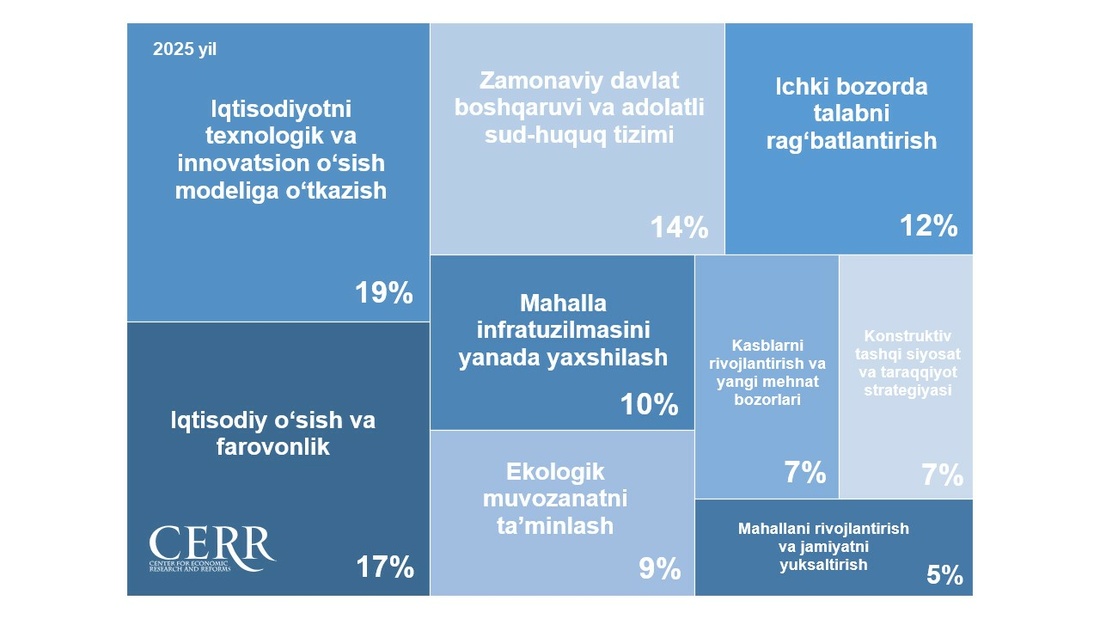
Figure 2. Distribution of words by thematic areas in the structure of the speech
Interconnection of development directions
The analysis highlights key words that demonstrate the interconnection between various directions of Uzbekistan’s state policy in the coming years. The transition of the economy to a technological and innovation-based growth model is a central element of state policy and implies a shift away from a raw-materials model toward high-tech industry. This direction is closely linked with such concepts as “investment,” “technology,” “market,” and “product.”
The block on economic growth and welfare reflects the key outcomes of reforms, including the increase of the economy to $145 bn and a twofold reduction in poverty over the past three years. It is directly associated with the concepts of “population,” “economy,” “mahalla,” and “services.”
The social foundation of reforms is built through the development of the mahalla and social solidarity. This direction is associated with “mahalla,” “youth,” “society,” and “values.”
Structuring vocabulary by thematic areas shows that the core of the President’s speech is technological modernization of the economy and a human-centered governance model based on the “mahallabay” system.
It emphasizes the interconnection between economic growth, improvement of public welfare and the development of local infrastructure, as well as priorities such as strengthening human capital, expanding employment and increasing the efficiency of public administration.
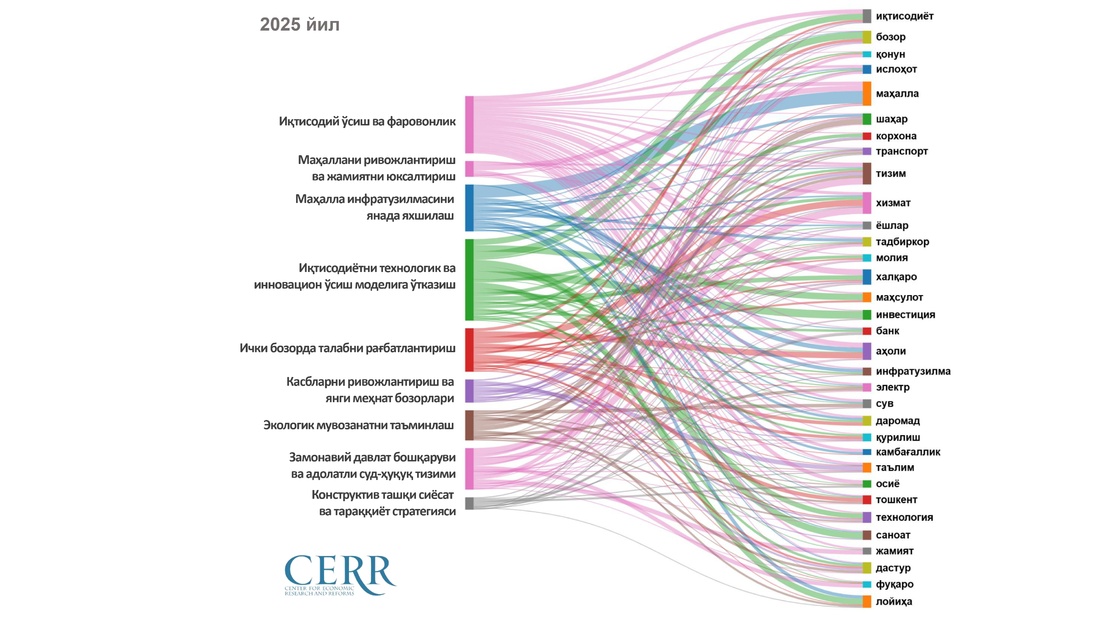
Figure 3. Interconnection of development directions
Among the highlighted semantic blocks are also tasks related to stimulating domestic demand, developing the housing and tourism sectors, modernizing the transport system, increasing productivity in agriculture and introducing water-saving technologies.
Special emphasis is placed on the “green” agenda, including the development of renewable energy, expansion of the “Yashil Makon” (“Green Space”) initiative, and strengthening resilience to climate risks.
In the foreign policy dimension, the analysis highlights Uzbekistan’s openness, strengthening of good-neighborly relations, and integration into the global economic system.
The linguistic analysis confirms that the idea at the core of the President’s speech is built around the triad “inson qadri – mahalla – farovonlik” (human dignity – mahalla – welfare), where the goal of reforms is sustainable growth, improved quality of life, and the further strengthening of Uzbekistan’s position.
Ilyos Rabbimov, CERR
CERR Public Relations Service
For inquiries, please contact:
(78) 150 02 02 (417)



leave a comment